Some of our travel partnerships have been with us for years, and there is a lot of everyday work behind keeping them going. Here I walk through how I approach a company, handle bookings and look after the traveler once the sale is made.
AI can answer a lot of travel questions now. It can tell you where to stay, what tours are popular, how to get somewhere and what other travelers are saying. For travel bloggers, I think this creates a very important question. If a traveler can get the information without visiting our website, why should they still come to us?
One of my answers is simple: give them something they cannot get from a generic answer. For me, that means building real relationships with travel companies and turning those relationships into better service, better products and real benefits for our readers.
I have been doing this with Mytanfeet for around 14 years. Some partnerships have lasted three or four years. Some have lasted close to fourteen. Some produce a lot of business and some only a little, but a little every year for many years can become something very valuable. This is very different from asking for a free hotel stay, taking some pictures, writing an article and moving on to the next company.
Stop Pitching Yourself Like an Influencer
When I contact a company I normally do not start by saying I am a travel content creator, influencer or YouTuber. In my experience, those words can sometimes create the wrong first impression. Business owners have been contacted by plenty of people asking for free things in exchange for exposure.
I approach the conversation differently. I want to sell your product. I want to put it on my platform. It is not going to cost you anything. Who do I need to talk to? That one change completely changes the conversation. I am not asking the company to buy advertising from me. I am telling them I want to bring them customers.
I do not even get too concerned about finding the perfect job title at first. I can call reception or customer service and ask who handles people interested in selling their product. Usually they direct me to sales or the appropriate person.
Before I Contact Them, I Research the Business
My first question is not how much commission they pay. It is: can I actually be a good partner for this company? Not every business belongs on your website just because it sells something related to travel. If your website is about Costa Rica, there is probably not much reason to make a partnership with somebody selling penguin food or camel saddles. We do not have either one.
I look at the company’s website, social media and reviews. I pay attention to how they communicate and how they respond to good comments and, even more importantly, bad comments. I check their direct rates. For tours, I may compare those prices with an OTA. For hotels, I may look at their direct price and compare it with large booking platforms. The differences can tell you a lot about how a company thinks about distribution, pricing and partnerships.
Then I start a small conversation and see how it feels. Communication matters because the way a company communicates with me before we have sent them one customer can tell me a lot about what may happen later when one of our clients has a problem.
I Take the Risk First
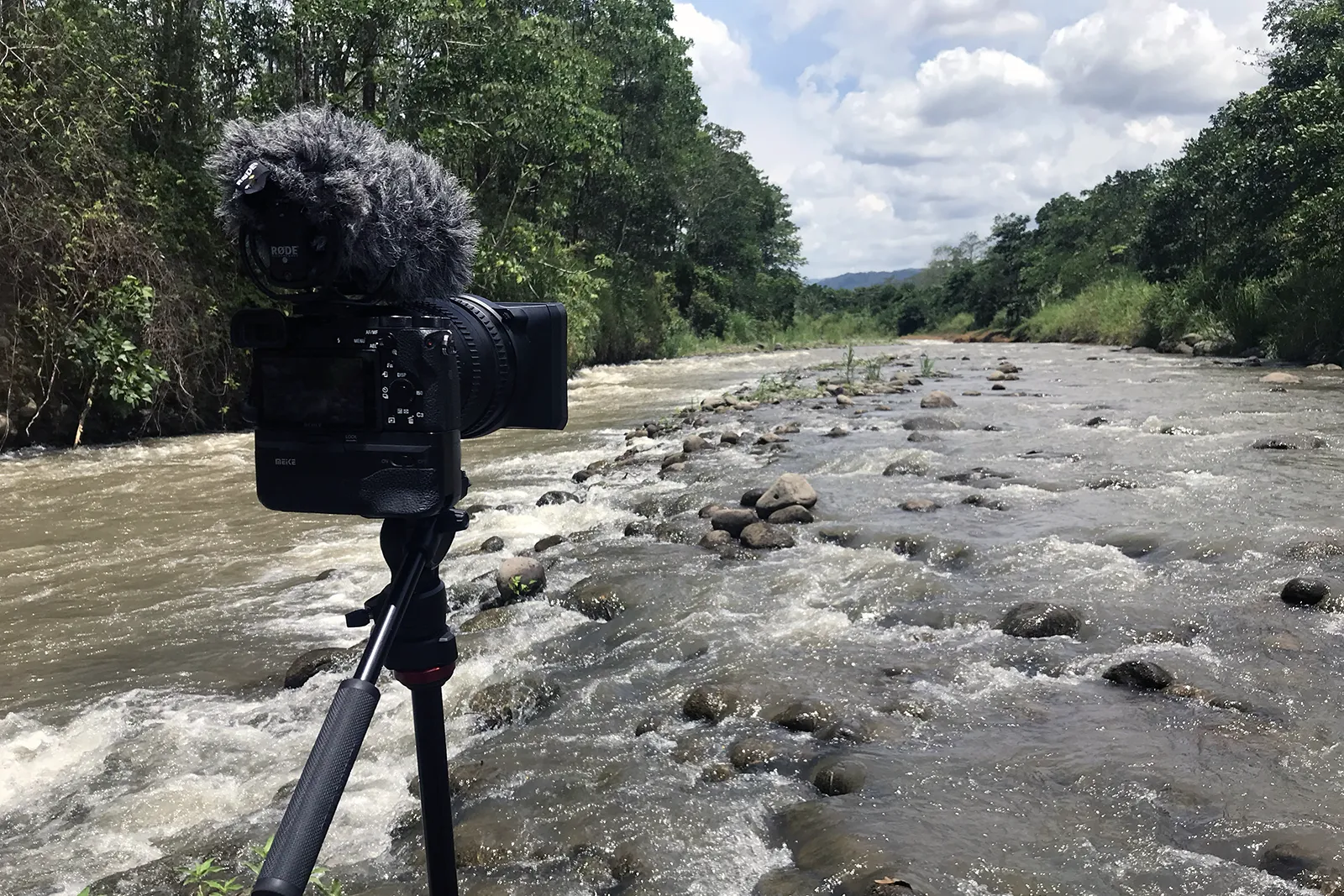
Once a company is interested, we normally arrange a time to experience the product. We prepare for it. We study the attraction. We make a list of the photographs and videos we need. If we want to interview somebody, we prepare the questions. If weather could be a problem, we think about another plan.
I do not want to waste their time, and I definitely do not want to waste ours. Mytanfeet takes most of the initial risk. We spend the time. We pay our staff. We pay transportation and food. We create the content and promote the product. We start recovering that investment when we start producing sales.
I sometimes explain it to a business owner in a very simple way: I start making my dollar when you start making your nine dollars. If I do not produce, I do not make money. That also forces us to be selective. A bad partnership costs us time and money, so we have a very good reason to choose businesses we genuinely believe we can sell.
When I Experience a Tour, I Am Like an Octopus
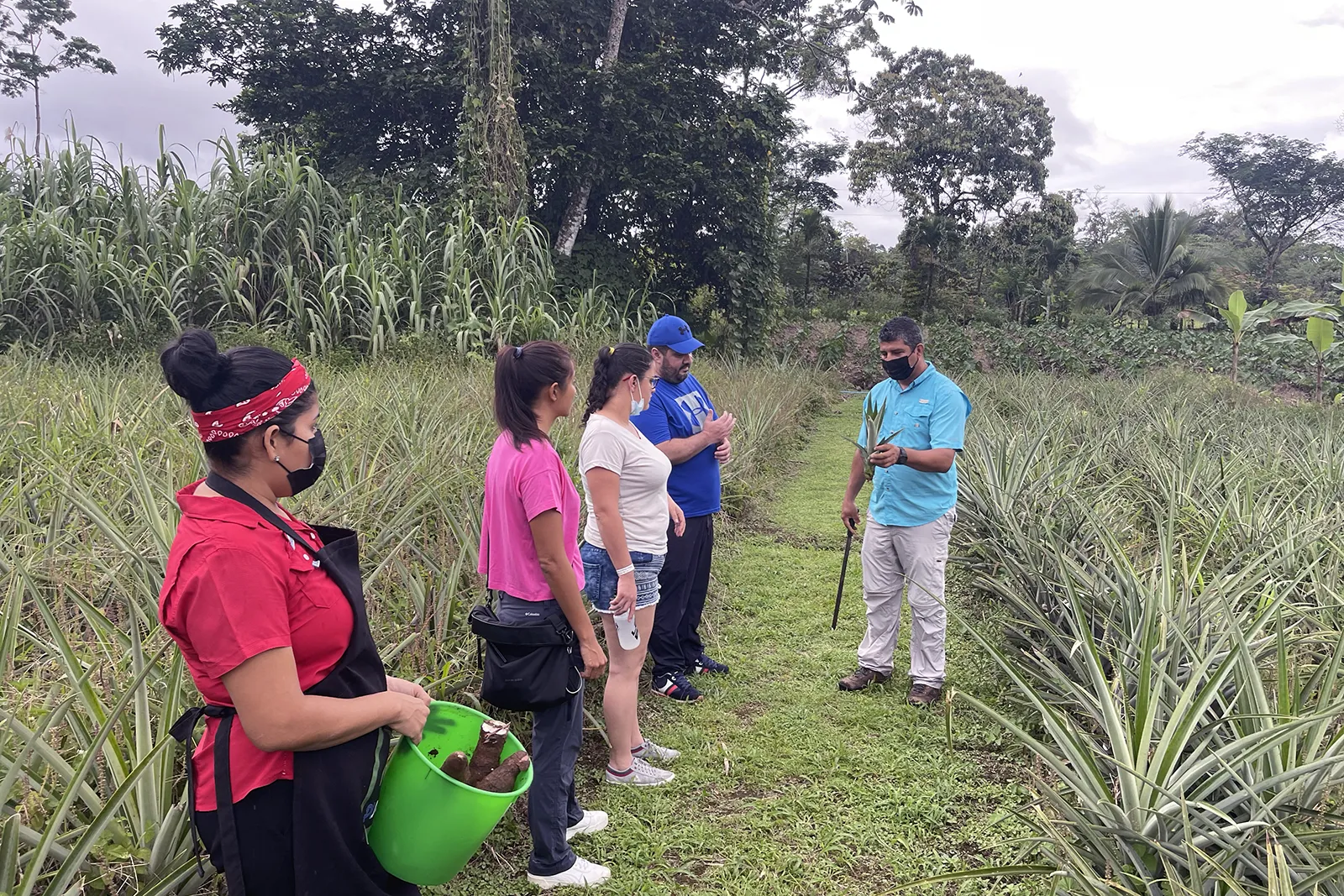
Experiencing the product is not just about taking pretty pictures. When I am on a tour, I am like an octopus. I am looking everywhere.
If Samantha comes with me, she is our writer and editor, so I often let her experience the activity more like a normal customer while I watch the operation. I watch the guides, professionalism, facilities, food, vehicles and little details. I watch how employees respond to clients and how they make people feel. I want to see whether they can adapt because every traveler is different.
No two tours are exactly the same. What I am trying to understand is the overall operation and who this product is actually good for.
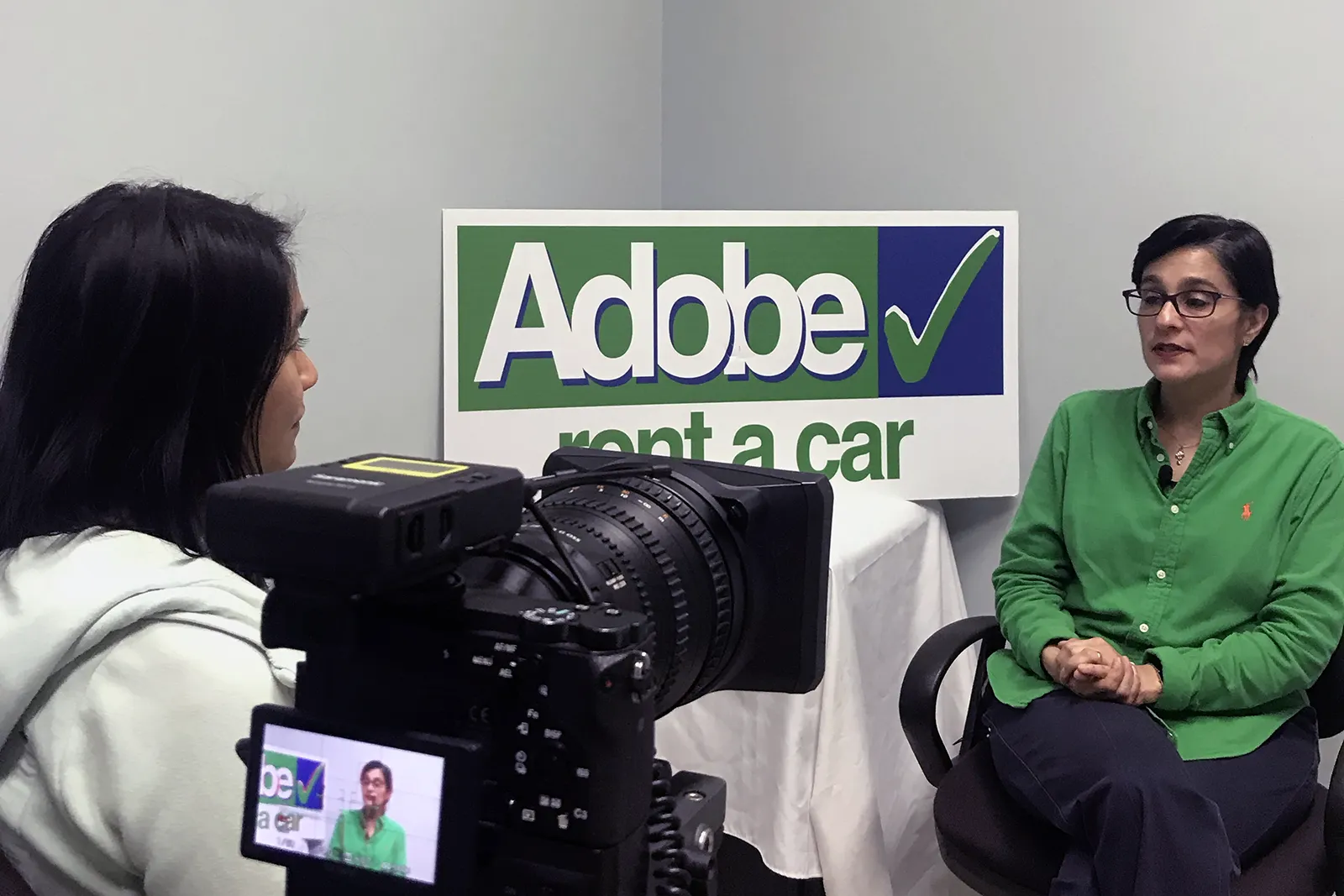
This is also one of the advantages travel bloggers can have over a giant booking platform. Once you know several companies offering similar experiences, you start understanding which one is better for which type of traveler. We are half in the content world and half in the travel business. That allows us to connect dots that are difficult to see from only one side.
The First Six Months Are Extremely Important
Getting a company to say yes is not the partnership. That is just the beginning. The first reservations can be the most important because every reservations and operations department works differently. For the first six months we can be extremely careful. Both companies are learning how the other one works.
We are very detailed with client information. We automate reminders for customers and operators. We watch the small things. If we discover something in our content is wrong or could be explained better, we correct it. The relationship is never really finished. The product changes. Clients teach you things. The operator changes. Your own company changes. You keep learning.
So Where Does the Customer Actually Book?
This is the part I think many bloggers miss when they talk about direct partnerships. You can have the relationship with the operator, write excellent content and negotiate a commission, but eventually somebody has to make the reservation. Where does that happen? Who confirms it? Who charges the customer? Who sends the final information? Who handles the questions?
At Mytanfeet we use more than one model, but whenever it makes sense I prefer the customer to make the booking request directly on our website. Think about how strange the normal blogging model can be. You spend years building a beautiful business in a shopping mall. Somebody finally walks through your door ready to buy, and your first instruction is to walk across the mall and buy the product from somebody else’s store.
Sometimes sending the reader somewhere else is the correct choice. We do it too. But I do not think it should automatically be the only choice.
You Do Not Need a Complicated Booking Engine
People sometimes imagine that taking bookings on their own website requires a sophisticated system connected in real time to every tour company’s inventory. It does not. At Mytanfeet we use forms. We use Gravity Forms with paid extensions because it can handle calculations and more complicated forms, but there are many products that can do this today.
For many products, what the customer submits is a booking request, not an instant confirmed reservation. That distinction is important. Connecting directly to the live inventory of many independent operators can be difficult. A blogger starting with one partner does not need to solve that technical problem before making the first sale.
If I were starting again tomorrow, the minimum system could be a good tour page, a simple contact or booking request form and a PayPal account or another legitimate payment system that lets me send a secure payment request. That is enough to start learning.
Design the Form to Avoid Email Ping Pong
There is no universal booking form because every tour and every operator needs different information. A tour may need the travel date, pickup and drop off locations, number of travelers, ages of children, hotel information, dietary restrictions or allergies. Another product may need completely different information. The important thing is to think ahead.
I call the bad version email ping pong. You ask one question. The customer answers. Then you remember another question. They answer again. Then you need one more thing. It wastes our time and the customer’s time.
I try to collect as much of the necessary information as reasonably possible in the first contact so our team can actually do something with the request. Special cases will always require more questions, but they should be the exception.
Availability Comes Before Payment
Once the request arrives, we check availability with the operator according to the process we have established with that partner. We also create realistic booking cutoffs. They vary by product, but around two days is common for many of the experiences we sell.
Last minute bookings happen all the time. Extreme last minute requests are different. If somebody sends a request at 10 at night for an 8 in the morning tour, there are situations where we simply will not accept it. I would rather say no than pretend a reservation is confirmed when nobody has actually confirmed it.
This is one of my frustrations with large OTAs. They can be excellent transaction processors, but the system does not necessarily understand what is happening operationally with a small local provider at that moment. When there is a gap between the booking system and the real operation, things can go wrong. Our booking request model gives us an opportunity to verify the service before taking the next step.
Do Not Ask Customers to Send You Their Card Number
We normally do not charge anything until we know the service is secure, and we do not want customers casually sending us raw credit card numbers. Privacy and payment information are too delicate for that. Banks, PayPal and other payment providers can give businesses secure ways to send a payment link or invoice. The customer completes the payment through that system.
The exact payment provider and the legal, tax and business requirements will depend on where you operate. Those are things you need to set up properly as your business develops. But the basic principle is simple: confirm first, then send the customer a secure way to pay.
Who Actually Receives the Money?
We use two main models. Some partners already have good booking systems. In those cases, we may send the customer into the partner’s system using our code or tracking link. The operator processes the transaction and we receive notification of the sale.
When we negotiate this type of arrangement, customer communication is extremely important to us. Where appropriate and properly handled, we want the information necessary to follow up with the traveler, provide service and recommend other relevant products.
The second model is the one we use for many tours. The customer pays Mytanfeet. We then pay the provider according to our agreement and keep our commission. If a tour costs $100, the customer pays $100. We do not think of the whole $100 as our money. Part belongs to the provider and part is our agreed margin.
Some providers are paid at the end of the month. Some are paid before the service. Every operator is different. Those payment terms are part of the agreement you build with them. This requires accounting and a good understanding of where the money needs to go. It is more work, but it also gives us more control over the customer experience.
Do Not Be Scared by the Travel Agency Label
I sometimes hear bloggers get nervous at this point and say, does this mean I have to become a travel agency? I think that question can distract from the bigger idea. You are becoming a business. A business collects money, pays providers, keeps accounting records, understands its costs and follows the rules that apply where it operates.
Mytanfeet is not what I think of as a traditional travel agency. A huge part of what we do is still information, content and traffic. Transactions complement that side of the business. Do not get stuck on the terminology. Understand the legal and tax obligations that apply to you, set the business up properly, and focus on building something useful for your readers.
Cancellations, Refunds and Processing Fees Are Part of the Business
We normally respect the operator’s established cancellation policy. They already run the product and have operational costs, so that policy matters. There can be extreme situations where we negotiate something different, but those are exceptions.
If Mytanfeet collected the customer’s money and a refund is due, we handle the refund. If we processed the card payment, the processing costs are part of our economics too. These are not surprises that should appear after you start selling. Payment fees, refunds, customer service and other costs need to be considered when you think about your margins.
After the Sale, We Still Own the Customer Relationship
By owning the relationship, I do not mean that we own the customer. I mean that the customer knows who we are and our team remains involved. Once everything is confirmed, we send the final information. We answer the normal questions. If the hotel changes, we deal with it. If the customer needs to know the pickup time or has a question about a child, they can come to us.
We want the communication to come through Mytanfeet because we want them to remember Mytanfeet. That also creates opportunities for cross selling. If somebody books one tour and we know they also need transportation, a car rental or another activity, we can recommend products from other partners when those products genuinely fit their trip. This is how one reservation can become a much more valuable customer relationship.
Sold Out Does Not Have to Mean Goodbye
Sometimes the operator is simply full. That is normal. Concerts sell out. Hotels sell out. Tours sell out. Our first question is whether the same operator has another date available. If that does not work for the traveler, we can offer an alternative from another company we know and trust.
This is another reason to build a network instead of depending on one company. Your knowledge becomes part of the product. You are not just processing an appointment. You know the alternatives and can help the traveler find the next best solution.
Do Not Build the Overhead Before You Build the Sales
Once bloggers see all these moving pieces, it is easy to imagine they need employees, complicated accounting systems and expensive booking technology before they begin. That is not how I started. At the beginning I did everything myself. I handled the sales, accounting, communication and everything else because there were not enough reservations to justify hiring somebody to process them. You scale the operation as the sales grow.
Imagine a tour costs $100 per person and the normal reservation is two people. That is a $200 sale. At a 20 percent commission, the gross commission is $40. After basic transaction costs, perhaps around $35 remains before your other business expenses. Do that ten times in a month and one partner has generated roughly $350. Then imagine more reservations, more partners and customers buying more than one product.
You do not need to hire a reservations department when you have zero reservations. Start with what you can manage. Learn the process. Build the sales. Then add people and systems when the business actually needs them.
Do Not Start by Asking for More
This is one place where I think some bloggers make a mistake. If I have not delivered anything yet, I do not walk into the first meeting demanding the company’s best commission, exclusive rates and free benefits for my readers. I find that disrespectful.
Tour companies, hotels and other travel businesses normally already have standard reseller or agency terms. In my experience, commissions around 20 percent are common in some parts of the tour business, although every business and product is different. I research what is normal and start from there. Then I prove what we can do.
My attitude is basically: whatever your normal terms are, I will show you that I am worth more.
I Prefer a Performance Ladder
When we start producing real volume, the negotiation changes. Imagine I go back to the company and say we sent 100 customers this quarter. What happens if next quarter we send 150 or 200? If we reach that goal, perhaps our commission increases by two or three percentage points.
Now I am not simply asking them to give me more money. I am challenging myself to give them more business in exchange for better economics. If I improve this, you improve this. Business owners understand that language.
The additional commission can also give us more resources to invest in promoting their product, improving content and servicing customers. And do not be greedy. A partnership needs to make sense for both companies.
The Best Reader Benefit Is Not Always a Discount
Once we prove we can produce business, I also start negotiating things for our readers. Some of the best benefits cost the operator almost nothing.
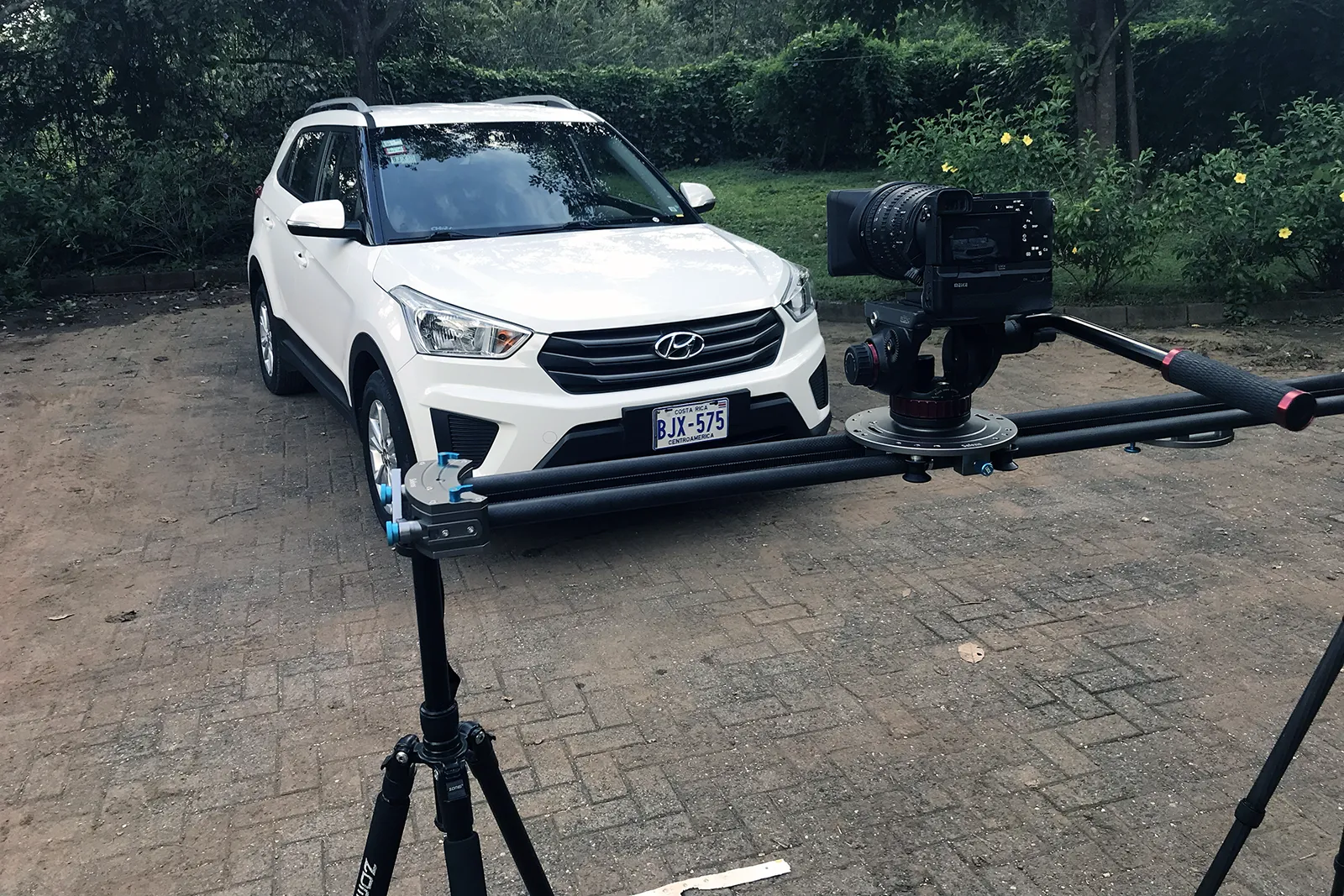
For example, with certain tours we have negotiated that a party of four or more can receive a private experience. Operationally, the company may already need another vehicle, so making our group private can have very little additional cost while making the experience considerably better for the traveler.
With car rental companies we have negotiated benefits such as free additional drivers. The normal fee may only be a few dollars per day, but removing it creates a real reason for a traveler to book through us. We have also negotiated priority customer service, dedicated contacts and, in some situations, newer vehicles for our clients.
I think priority service can sometimes be worth more than saving another five percent. Travel is not only about price. People are buying experiences and memories. When something changes or goes wrong, being able to reach the right person quickly can be incredibly valuable.
When Something Goes Wrong, Protect the Customer First
We have had bad cases. That is part of working in travel for many years. Our number one priority is our reader and client. If we investigate what happened and know the customer is right, sometimes we do not even wait for our partner to answer. We refund the customer or cover the cost ourselves and deal with the partner afterward.
In Costa Rica we have an expression that roughly means putting your chest in front of the bullets. In English, I would say we take the hit. The customer trusted us. They purchased through us. I do not want them trapped between two businesses arguing over who is responsible.
We protect our brand first and then solve the business problem with the partner. Sometimes we share the cost. Sometimes the operator retrains staff or changes part of the experience. In serious cases, we stop working together. Losing some money hurts. Losing your reputation can cost much more.
Sometimes Partnerships Fail
In around 14 years, we have had a couple of partnerships where greed became a serious problem. Sometimes a company starts receiving a lot of customers and eventually forgets that this is a game of two. We have even seen situations where a customer arrives because of our recommendation and the business immediately tries to move them toward other products.
I try to handle these situations diplomatically and professionally. I do not like burning bridges. You never know what will happen in the future. But professional does not mean weak. If somebody refuses to honor an agreement or pay commission we legitimately earned, there are other good businesses trying to make a living too. We can find another partner.
A Long Relationship Does Not Mean You Own Each Other
If I have worked successfully with a company for five years, I do not own anything in their business. They do not own anything in mine. The respect I give them on day one should still be there in year five.
Long relationships naturally create connections online. If we have written about a company and sent customers to it for years, our names may increasingly appear together in searches, recommendations and conversations. That makes professionalism even more important.
I have also learned to keep business relationships as business relationships. Friendships can grow from them, and some of mine certainly have, but when everything becomes too personal it becomes easier for personal problems to enter business decisions. Respect the relationship and respect the business.
One Small Partnership Can Become Something Much Bigger
One of my favorite examples started with a small boat operator. We started sending people and experiencing his trips. Over time, the relationship grew. Eventually we became business partners and very good friends. Today he has built a good living and has been able to invest in other things, including rentals.
I do not say that because Mytanfeet created his success. He did his part. We did ours. That is exactly the point. A good long term partnership can create value neither side could have created in exactly the same way alone.
You Can Do This With Zero Traffic
If I woke up tomorrow with all the experience I have today but had to start a brand new travel website with zero organic visitors, I would still approach companies. And if they asked how many visitors I had, I would tell them the truth: I am just starting. Today I have zero organic visitors.
Then I would turn that into an advantage. If you are one of my first partners, I am going to put a lot of time into your product. I need to create excellent content because I need to rank. I need to earn my reputation. I need this to work too.
There is nothing embarrassing about starting at zero. Everybody starts with one reader. The important thing is to put yourself out there, do the work and start thinking as both a blogger and a businessperson.
Direct Partnerships and Affiliate Programs Can Work Together
I cannot have a direct relationship with every travel company in the world. Affiliate networks are useful and I use them. Direct partnerships are useful too. For me, direct relationships generally create more financial opportunity, more control over customer service and more satisfaction. They have also taught me a lot about becoming a better businessperson.
The goal is not to choose one model for everything. It is to understand where a direct relationship can create enough additional value to justify the work. This is closely connected to writing travel content that genuinely helps readers and drives sales. Content works much better as a business asset when it connects useful information with a product you actually understand.
AI Makes Owning the Reader Relationship More Important
This is where I think everything changes for travel bloggers. We used to be able to build a large part of a travel business around answering informational questions and getting traffic from search engines.
AI can answer more and more of those questions without the traveler ever reaching our websites. I have written before about whether travel bloggers and AI can build a future together, and I think direct relationships are an important part of that future.
A blogger cannot own the tour company. The tour company does not own the blogger. But the blogger can build and protect the relationship with the reader. That relationship may become one of our most important assets.
At Mytanfeet, we want customers to remember our name. Hopefully they remember it because we recommended an excellent product, answered their questions, sent useful reminders, helped them when something changed and were there if something went wrong. If Google traffic disappeared tomorrow, those past customers would still exist.
Word of mouth is still incredibly powerful. Somebody goes home and tells a friend, I booked this through Mytanfeet and they took care of me. That has value even if the internet changes completely.
AI is making information easier to produce and, in many ways, less personal. I think our response as travel bloggers should be to make our businesses more personal, not less. Do not build a travel blog whose only asset is traffic. Build a travel business whose asset is the relationship with its readers. That is much harder for an algorithm to replace.
Leave a Reply