
I have been dealing with anxiety and panic attacks since I was 18 years old. I am not going to make them sound inspirational or beautiful. At their worst, they are among the most horrible things I have ever experienced.
They can make a normal heartbeat feel dangerous. They can make a familiar room feel unsafe. They can convince you that leaving home is a terrible idea, even when part of you desperately wants to see the world.
But I travel anyway 🙂
I do not travel because I defeated anxiety. I travel because, with time, I learned what was happening in my body, what usually triggered it and what helped me move through it. Anxiety is still part of me, but it no longer gets to make my decisions.
This is my personal experience with travel anxiety and panic attacks. It is not medical advice, and what works for me may not work for everyone. If anxiety is interfering with your life, please speak with a qualified health professional.
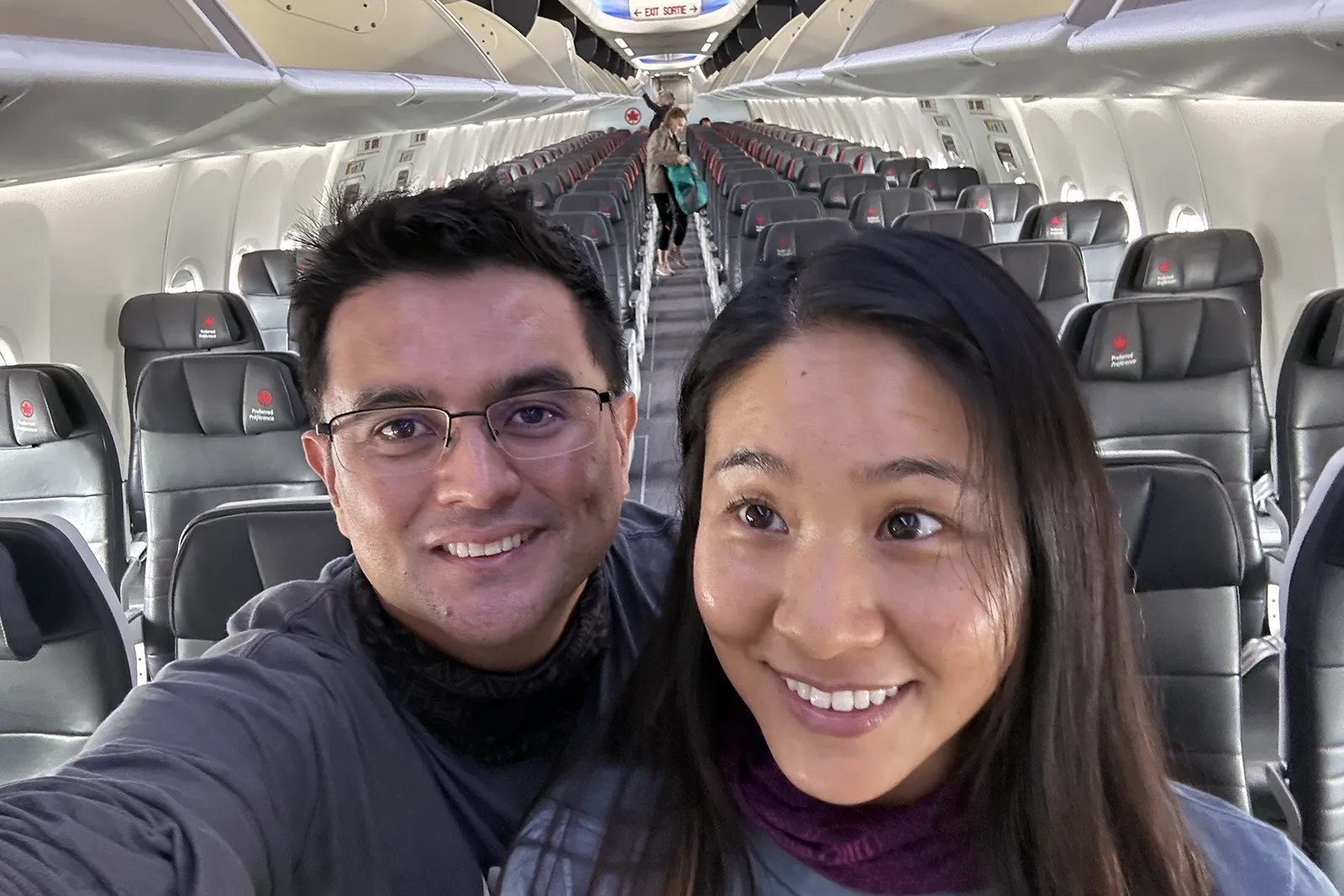
How My Panic Attacks Started
I still clearly remember my first panic attack. I was at my workstation at an old job when suddenly my heart started beating like crazy, my ears were ringing and I was convinced I was having a heart attack.
My boss called an ambulance. A short time later I was lying in a hospital bed while doctors ran tests. By the end of it, I was told that I had experienced a panic attack and that physically I was fine.
That experience changed my life because I had discovered how convincing a panic attack could be. My brain and body could create sensations that felt like an emergency even when there was no obvious danger around me.
Learning to recognize that difference took me years, and it became especially important once I started traveling more.
What a Strong Panic Attack Felt Like for Me
One of the strongest panic attacks I remember happened while Samantha and I were traveling and working on our blog.
We were sitting on a rooftop waiting for sushi when, without warning, I felt as if somebody had kicked me directly in the chest. Fear took over immediately.
I knew what was happening, but knowing did not make the physical sensation disappear. I also did not want to create a scene in front of everyone, so I quickly went back to our room and Samantha followed me.
I asked her to hug me while I concentrated on breathing and tried to calm myself. It was intense, frightening and very real.
The National Institute of Mental Health explains that a panic attack can arrive as a sudden wave of fear or a feeling of losing control, sometimes without an obvious danger or trigger. Physical symptoms can include a racing heart, difficulty breathing, dizziness, trembling, nausea and chest pain.
That description is important because a panic attack does not feel like a simple worried thought. It feels physical. In the moment, your body can make you believe something terrible is about to happen.
However, chest pain and breathing problems can also have other causes. If a symptom is new, severe or different from what you normally experience, do not automatically assume it is anxiety. Seek medical help.
My Biggest Travel Anxiety Triggers
My travel anxiety does not come from only one place. Over the years, I have learned to recognize several situations that make it more likely to appear.
Lack of sleep
Poor sleep is one of my strongest triggers. If I begin a travel day exhausted, everything feels harder. Small inconveniences become larger and my body is already under stress before the trip has properly started.
That is why getting a good night of sleep is one of my priorities before flying or starting a demanding travel day.
Loud and confrontational people
Then there are the people I jokingly call the Karens and Brandons of travel. They are the ones who need to turn every airport gate, hotel lobby or tour into their personal stage.
Loud arguments, unnecessary conflict and people demanding attention create a lot of anxiety for me. I cannot control how strangers behave, but I can move away, put on my headphones and decide not to become part of their drama.
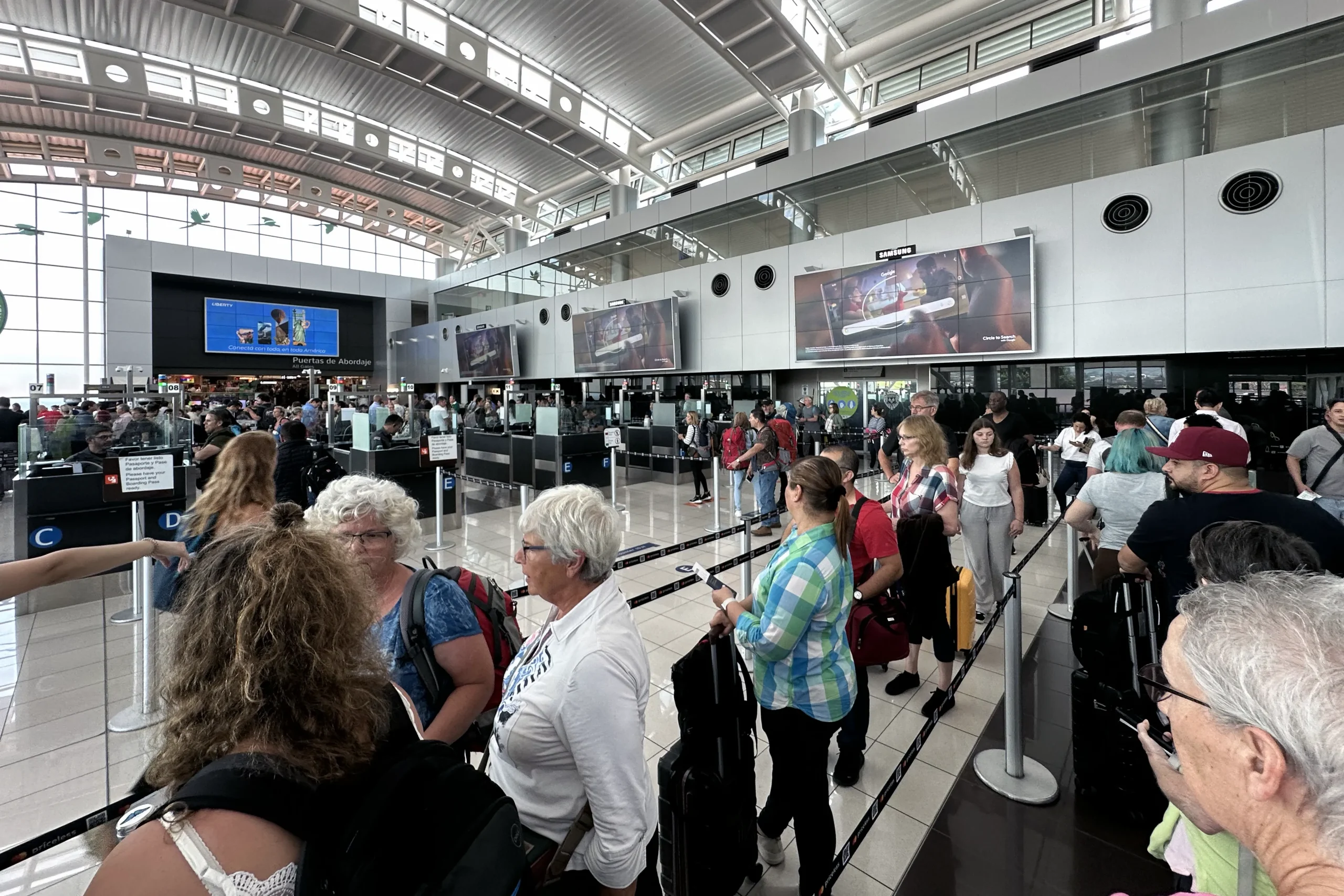
Crowds and feeling trapped
Crowded places can make me anxious, especially when leaving quickly would be difficult. I have also felt anxiety on buses, boats, at high altitudes and in remote places far from medical assistance.
For me, the common thread is uncertainty and the feeling that I do not have control over what happens next.
Traveling With Anxiety Was Much Harder at the Beginning
When my anxiety was at its worst, there were opportunities to travel that I avoided because I was afraid to leave home and move outside my comfort zone.
That is how powerful anxiety can become. It does not simply make the trip uncomfortable. It can try to stop the trip before it begins.
Avoiding the situation provided relief in the moment, but it also made my world smaller. Eventually, I understood that I did not want anxiety making every important decision for me.
I did not suddenly become fearless. I gradually learned that I could feel anxious and continue moving at the same time.
How Learning About Aviation Reduced My Fear of Flying
Airplanes were a major source of anxiety for me, especially during the beginning of a flight. At the root of it was a very basic fear: I was afraid of dying.
My brain did not like the idea of sitting inside a pressurized airplane thousands of feet above the ground. At that point, every unfamiliar sound, movement or sensation had room to become something dangerous in my imagination.
The anticipation could be almost as difficult as the flight itself. There were times when the anxiety started as soon as I bought the ticket. From that moment, my mind could begin building a snowball of frightening scenarios long before I reached the airport.
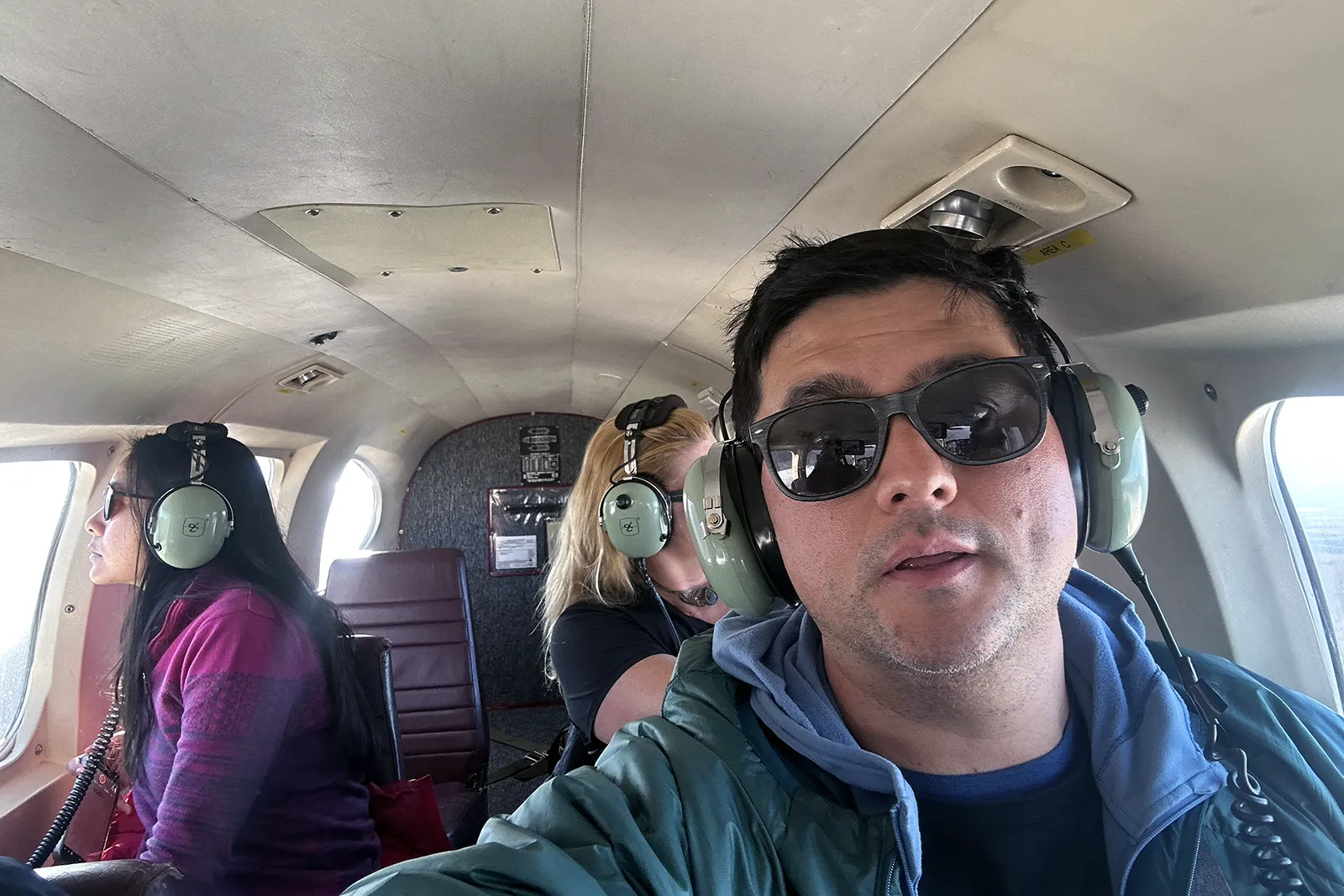
One of the things that helped me most was replacing some of that anticipation with research. Instead of allowing my brain to fill the days before a flight only with fear, I gave it information to process.
Before flying, I would look up the aircraft scheduled for the route and learn about things such as:
- The airplane model and its range.
- The distance and route between the airports.
- The engines used by the aircraft.
- Its weight and performance limits.
- The seat configuration and cabin layout.
- The airports and weather I could expect along the trip.
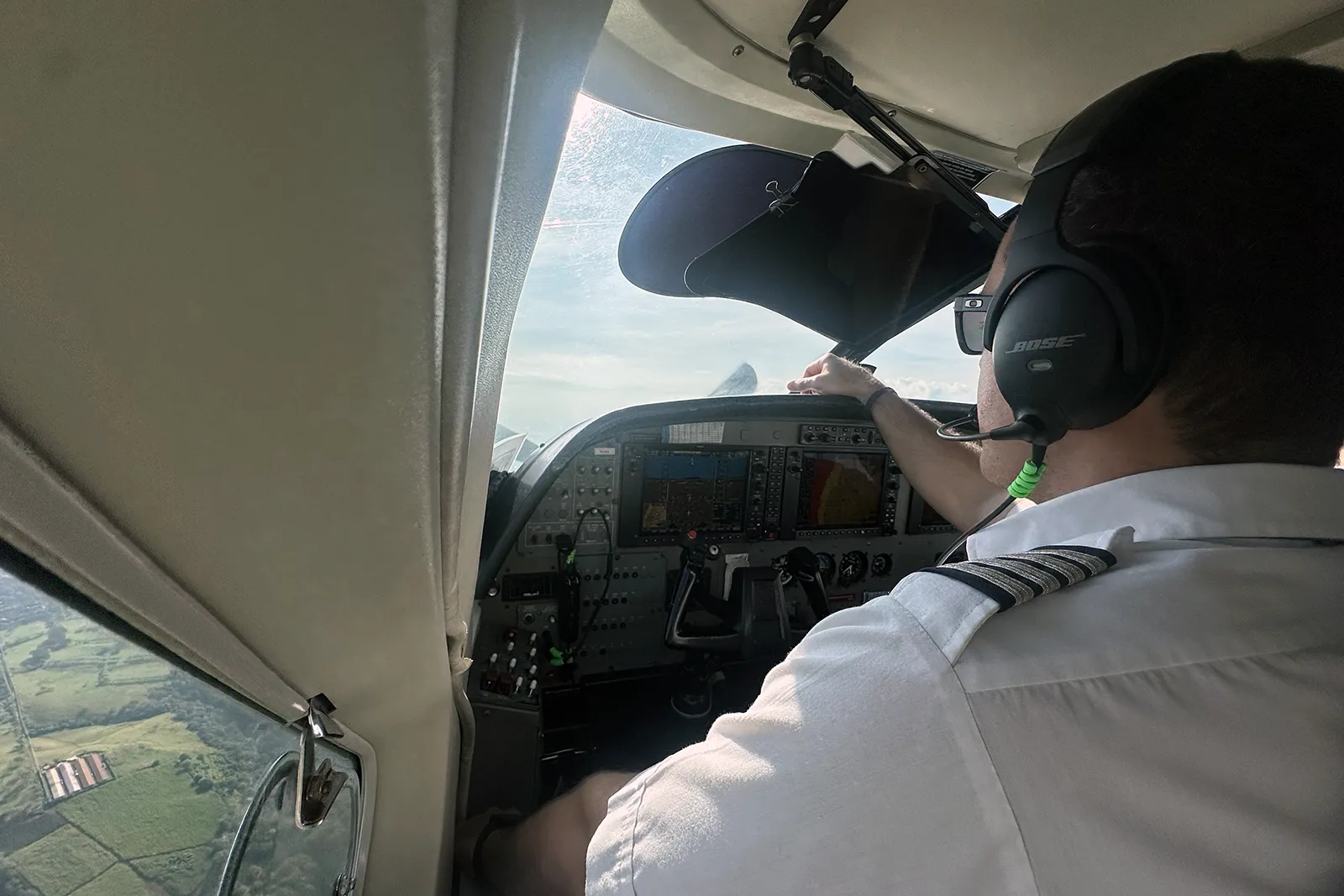
I was not trying to become a pilot. I was trying to remove some of the mystery.

For me, a lack of knowledge creates room for catastrophic thoughts. Once I understand why something is happening, the same sensation becomes easier to interpret. The movement may still feel uncomfortable, but it no longer feels completely unknown.
The FAA Pilot’s Handbook of Aeronautical Knowledge became the type of reliable source that helped me understand the basics. For example, an aircraft in flight is affected by four forces: lift, weight, thrust and drag. Lift acts against weight, while thrust acts against drag.
Learning those basic principles gave my mind something factual to hold onto when fear wanted to invent its own explanation.
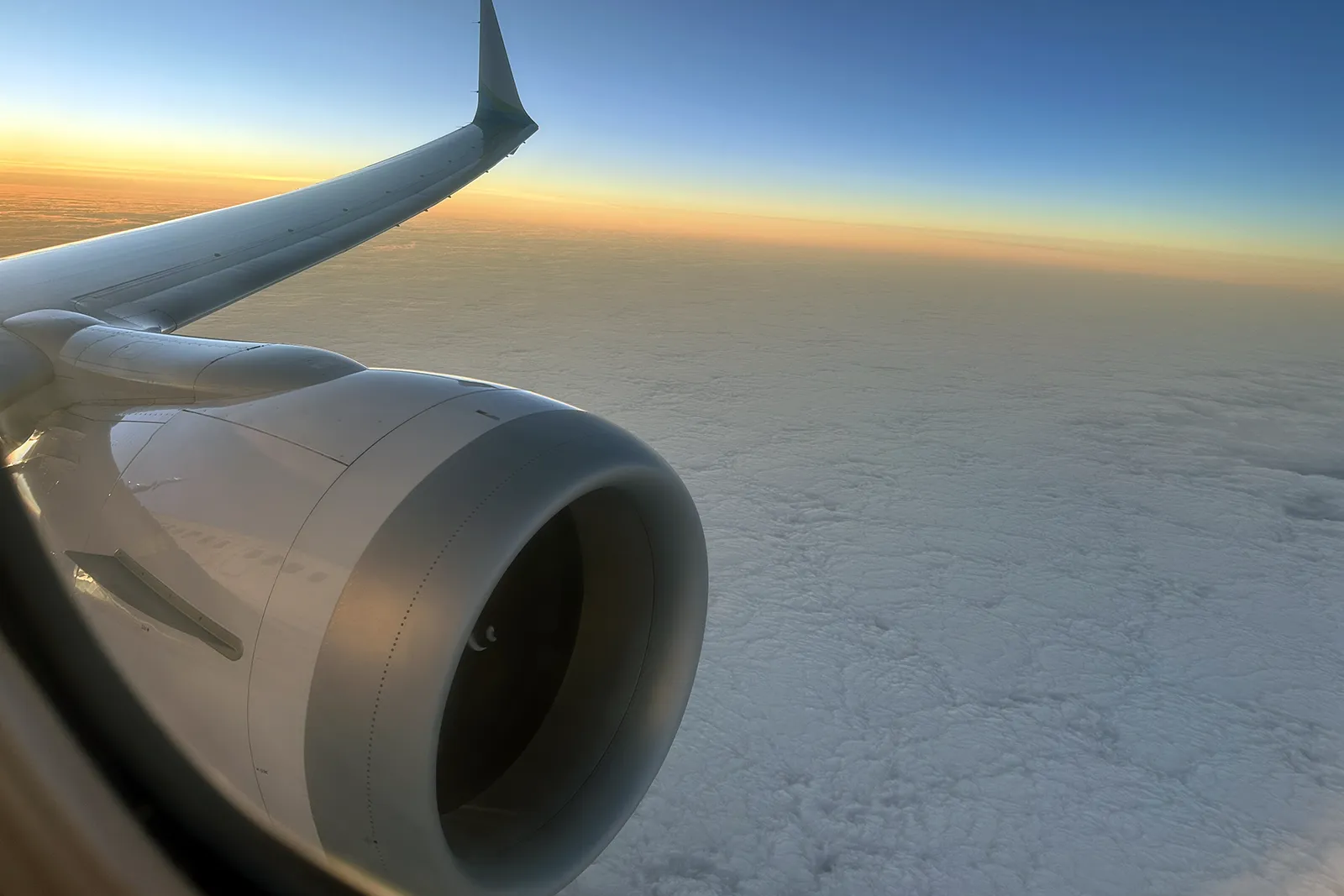
Understanding turbulence
Turbulence used to be one of the easiest ways to trigger my anxiety. Learning what it was gave me something more useful to think about than simply wondering whether the airplane was in danger.
The simplest picture in my head is a boat moving through water. When the water is smooth, the ride is smooth. When the water is disturbed, the boat moves with it. Air is different from water, but thinking about an airplane moving through disturbed air helped me understand why a flight could become bumpy without something being wrong with the aircraft.
I also started learning why turbulence happens. For me, this was even more useful than memorizing the intensity levels. If I could understand what was moving the air, the movement of the airplane stopped feeling so mysterious.
- Thermal turbulence: The sun heats the ground and some areas become hotter than others. Warm air rises in bubbles or columns. When the airplane flies through those rising and sinking pockets of air, you can feel bumps. I think of it like driving over small hills that I cannot see.
- Mechanical turbulence: Wind hits mountains, hills, buildings or rough terrain and the air starts swirling around them. The easiest way for me to picture it is water flowing around a rock. The water behind the rock is not smooth, and air can behave in a similar way.
- Frontal turbulence: This happens when different air masses meet, usually warmer air and colder air. They do not always move at the same speed or in the same direction, so the area where they meet can become bumpy.
- Clear air turbulence: This is the one that used to confuse me because you can look outside and see a perfectly clear sky. High in the atmosphere, especially near jet streams, layers of air can be moving at very different speeds or directions. The airplane crosses that disturbed area and suddenly you feel bumps even though there are no clouds. Clear air does not always mean calm air.
- Wake turbulence: Airplanes disturb the air too. As the wings create lift, they leave rotating air behind them. I imagine it like the wake behind a boat. This is one reason air traffic control keeps airplanes separated, especially during takeoff and landing.
- Thunderstorm or convective turbulence: Storms can have very strong rising and sinking air. That movement can create rough turbulence in and around the storm, which is why pilots avoid thunderstorms instead of simply flying straight through them.
I do not need to know exactly which type I am feeling every time the airplane moves. The important part for my anxiety is understanding that there are normal physical reasons for the air to move. The airplane is moving because the air around it is moving.
The FAA explains that turbulence can be created by jet streams, air moving around mountains, weather fronts, thunderstorms and other changes in the atmosphere. Every aircraft also creates wake turbulence as it produces lift.
I originally remembered three levels of turbulence, but the FAA actually uses four intensity categories: light, moderate, severe and extreme. These are intensity levels, not four different causes of turbulence.
- Light turbulence: Small and momentary changes in the movement or position of the aircraft. Passengers may feel a slight pull against their seat belts.
- Moderate turbulence: More noticeable changes and stronger bumps, but the aircraft remains under positive control.
- Severe turbulence: Large and abrupt changes that can force occupants strongly against their seat belts. The aircraft may be momentarily difficult to control.
- Extreme turbulence: The aircraft can be violently tossed and may become extremely difficult to control.
The FAA turbulence reporting criteria provide the technical definitions. Turbulence can be caused by atmospheric pressure, jet streams, air moving around mountains, weather fronts and thunderstorms. It can also occur when the sky looks clear.
Learning this did not make every bump pleasant. It helped me stop interpreting every bump as proof that something was going wrong.
The most practical safety rule is simple. Keep your seat belt fastened whenever you are seated, even when the sign is off. The FAA recommends keeping it buckled because unexpected turbulence can injure passengers who are not secured.
Tight airplane spaces can also trigger me
I am 184 cm tall, so sitting in a tight airplane seat for hours can become physically uncomfortable. That feeling of being enclosed can also feed my anxiety.
What works best for me is focusing on the parts of the situation I can control. I can breathe slowly. I can listen to music, watch a movie or learn something. I can adjust whatever I can around my seat and make myself as comfortable as possible.
I also talk to myself very directly. I remind myself that I am going to be in that seat for a while, that everything around me is okay and that fighting the fact that I cannot immediately leave the airplane will only make the experience harder.
Then I give myself a simple job: choose something to watch, keep breathing and make the next hour as comfortable as I can.
What I Do Before a Flight
When I was going through my most difficult period, preparation made an enormous difference. My routine was not complicated, but it reduced some of the conditions that made me vulnerable to anxiety.
- I tried to get a good night of sleep.
- I did some exercise before the trip when possible.
- I meditated and tried to relax before boarding.
- I avoided alcohol completely.
- I researched the aircraft and reviewed basic aviation information.
- I prepared familiar music and made sure my headphones were ready.
None of these steps guaranteed that I would not feel anxious. They simply gave me a better starting point.
What I Do During a Panic Attack on a Plane
If I begin feeling anxious on an airplane, my first goal is to make myself physically comfortable. Then I work through a few familiar steps.
First, I concentrate on my breathing
I slow down and pay attention to each breath instead of fighting every physical sensation at once. The NHS breathing guidance suggests getting comfortable, breathing gently without forcing it and allowing the breath to move in through the nose and out through the mouth.
One specific pattern I have used for years is the 4 7 8 breathing exercise. I inhale through my nose for a count of four, hold for seven and exhale slowly through my mouth for a count of eight.
I usually repeat it a few times before takeoff or when I feel anxiety building. For me, concentrating on the counting gives my brain a simple task while the slower breathing helps me settle down. If a breathing pattern feels uncomfortable, I do not force it.
Breathing exercises are most useful to me when I have practiced them before the difficult moment. It is much harder to learn a calming technique for the first time when my heart is already racing.
Then I use familiar music
I put on relaxing music, especially songs whose lyrics I already know. Familiar music gives my mind something predictable to follow.
I am not trying to erase the anxiety instantly. I am giving my attention somewhere safer and more productive to go.
I use a familiar scent
I often carry essential oils because the familiar smell helps me feel more comfortable and gives me another sensation to focus on. I treat this as a personal comfort item, not as a cure or medical treatment for anxiety.
I ask for support when I need it
I travel with Samantha most of the time. I often try to manage mild anxiety quietly because I do not want every uncomfortable moment to become her responsibility.
But when it becomes intense, I tell her. Sometimes a hug, a hand to hold or simply having somebody stay with me can make the moment feel less lonely.
You do not have to make a scene to ask for help. You can quietly tell your travel companion or a flight attendant that you are feeling anxious.
Why Accepting Anxiety Helps Me
One of the hardest lessons I learned is that anxiety can create more anxiety.
I would notice my heart beating faster. Then I would become afraid of the fast heartbeat. That fear would make my heart beat even faster, which gave me another reason to panic.
Trying desperately not to feel anxious sometimes made the feeling stronger.
Now, instead of treating the first anxious sensation as an emergency, I try to acknowledge it. I remind myself that I recognize this feeling and that it has passed before.
This is anxiety. I know what it is. I do not like it, but I do not have to be afraid of the feeling itself.
The goal is not to pretend that I feel wonderful. The goal is to understand what is happening and stop adding another layer of fear.
The National Institute of Mental Health notes that panic attacks themselves are not life threatening and that the physical symptoms generally resolve with time. It also advises speaking with a health professional because an examination may be needed to rule out an unrelated physical problem.
Productive Distraction Changed My Life
When I feel anxious, I try to move my attention toward something productive. I read, research, work or observe what is happening around me.
This is not only something I do on airplanes. In a strange way, anxiety helped me build my career in travel blogging.
I used studying and working as productive places to put my mental energy. Blogging gave me something to build. Traveling gave my mind new places, people and problems to think about.
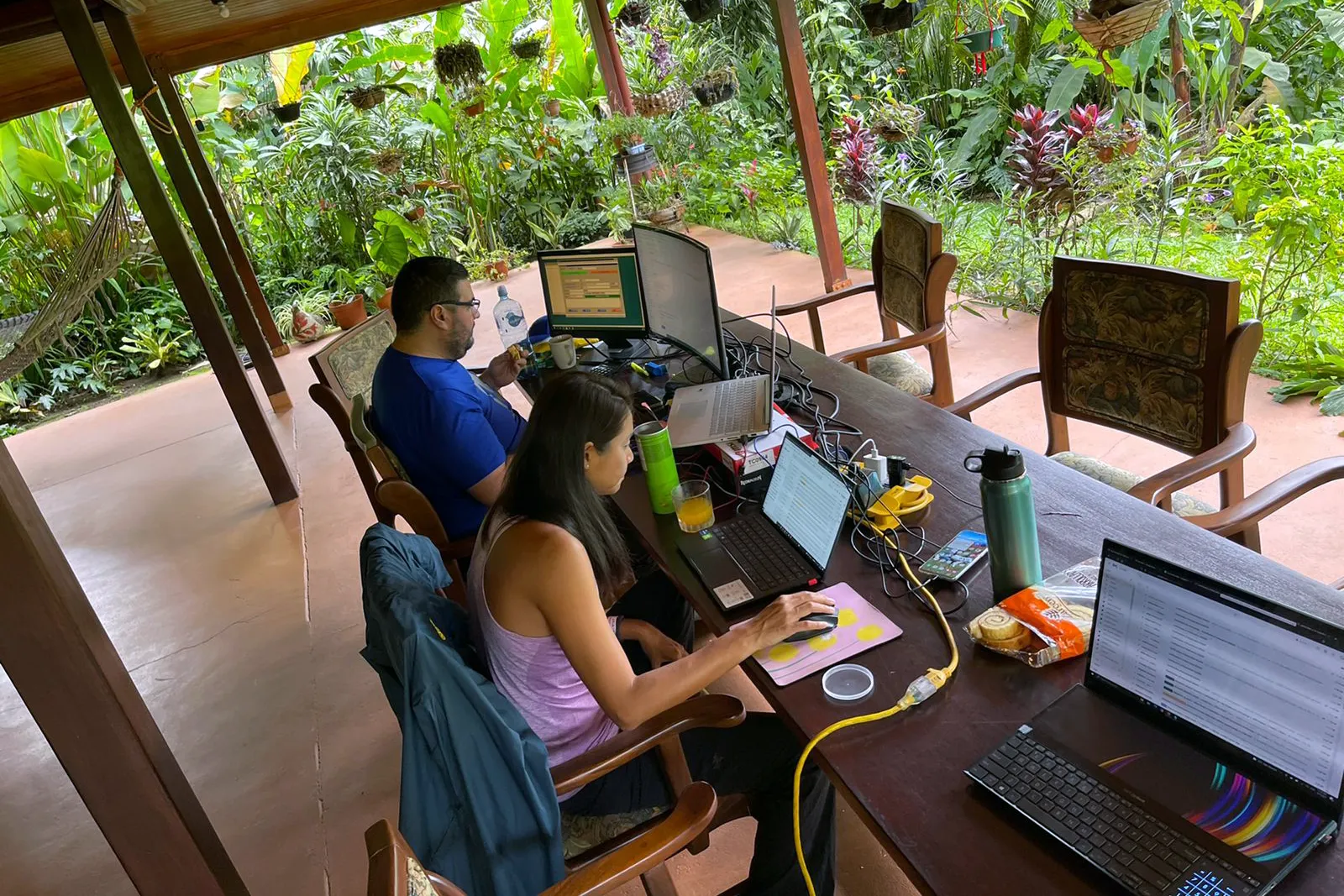
Without anxiety, I do not know if I would have worked as hard or learned as much. I would never choose to have panic attacks, but I can recognize that learning to live with them influenced the person I became.
That story deserves its own article because anxiety has taken things from me, but it has also pushed me toward work that changed my life.
Professional Help and Medication Were Part of My Experience
At the beginning, I went to a psychologist. I was later referred to a psychiatrist and took antidepressant medication for a period of time.
I am not personally a big fan of taking medication, but I am also not going to pretend it did not help me. At that point in my life, it helped a lot.
Medication is a personal medical decision. The right choice depends on the individual, the symptoms and the advice of a qualified professional. Do not begin, stop or change psychiatric medication based on a travel article or somebody else’s experience.
The National Institute of Mental Health states that treatment for panic disorder commonly includes psychotherapy, medication or both. It also explains that cognitive behavioral therapy is commonly used to help people respond differently to the sensations that occur before or during a panic attack.
The important thing is to find a professional you trust and a treatment plan you are comfortable with. Getting help is not a failure. For me, it was part of learning how to live normally again.
Does Travel Anxiety Ever Completely Disappear?
I can only answer this from my own experience.
My relationship with anxiety is much better now. I still experience anxiety, and I may have one or two panic attacks in a year. The difference is that I know how to manage them and they are not as frightening as they once were.
I understand the pattern. I recognize the physical sensations. I know that the feeling will change.
Most importantly, I no longer allow anxiety to take experiences away from me.
I have felt anxious on airplanes, boats and buses. I have felt it in crowds, at high altitudes and in places far from medical assistance. Anxiety can travel with me, but it does not get to choose the destination.
My Advice to Someone Afraid of Traveling With Anxiety
If you really want to take the trip but you are convinced that you will have a panic attack, I would tell you this:
Dude, it is going to be worth it.
You might feel anxious. You might experience a fast heartbeat. You might need to sit down, breathe, listen to music, call somebody or ask your travel companion for a hug.
But once you are out there, your brain also has new things to process. You are navigating an airport, seeing another place, tasting different food and solving normal travel problems.
Then your brain begins collecting new evidence. I can walk and I am not dying. My heart can beat faster and then slow down. I can feel uncomfortable without being in danger. I can have anxiety and still experience th